Blanch or Not? Your Ultimate Guide to Freezing Green Beans
The garden is overflowing, or perhaps you’ve just scored a fantastic deal on fresh green beans at the farmer’s market. Now what? Freezing is a brilliant way to capture that peak-season goodness, allowing you to enjoy vibrant, nutritious green beans all year long. But before you dive in, a crucial question arises: to blanch or not to blanch?
This age-old debate stirs passionate opinions among home preservers. Some swear by blanching for superior quality, while others prefer the speed and simplicity of freezing green beans raw. The good news? There’s no single "wrong" or "right" way to preserve these versatile legumes! Each method offers distinct advantages and disadvantages. This comprehensive guide will walk you through both techniques, offering expert tips and practical advice, so you can confidently decide how to freeze green beans that best suits your needs and desired outcome.
The Great Debate: To Blanch or Not to Blanch Green Beans?
Understanding the science behind each method is key to making an informed choice. Blanching isn't just an extra step; it's a critical process for certain types of food preservation.
The Case for Blanching Green Beans
Blanching involves briefly scalding vegetables in boiling water or steam, then rapidly cooling them in an ice bath to stop the cooking process. While it adds a few minutes to your prep time, the benefits for long-term storage are significant:
- Inactivates Enzymes: This is the primary reason for blanching. Enzymes naturally present in vegetables cause them to degrade over time, leading to changes in color, flavor, and texture. Blanching halts this enzymatic activity, preserving the beans' fresh qualities.
- Retains Color: Blanched green beans maintain their vibrant green hue much better than their raw counterparts, which can turn a dull, brownish-green in the freezer.
- Preserves Texture and Flavor: By stopping enzyme action, blanching helps maintain the crisp-tender texture and fresh flavor of the beans, preventing them from becoming mushy or developing off-flavors.
- Extended Shelf Life: For optimal quality and long-term storage, food preservation experts strongly recommend blanching. Blanched green beans can maintain excellent quality in the freezer for up to 12 months.
- Cleanses and Softens: Blanching also helps clean the beans further and slightly softens them, making them easier to pack and potentially quicker to cook from frozen.
The Case for Freezing Green Beans Raw (Without Blanching)
For those prioritizing speed and simplicity, freezing green beans without blanching is a perfectly safe and viable option. You'll skip a couple of steps, making it ideal for smaller batches or when you're short on time.
- Time-Saving: The most obvious advantage is saving the time and effort involved in the blanching and ice bath steps.
- Simplicity: It's a straightforward wash, trim, dry, and pack process.
- Perfectly Safe: Freezing raw green beans is completely safe to eat. The concern isn't safety, but rather the degradation of quality over time.
However, there are trade-offs to consider:
- Quality Degradation: Without blanching, the enzymes remain active, albeit slowed by the cold. Over time (typically beyond 2-3 months), raw frozen green beans are more prone to developing a duller color, tougher or mushier texture, and a less fresh flavor.
- Shorter Shelf Life for Peak Quality: While technically edible for longer (we've certainly forgotten about raw frozen beans for a year and found them still usable, especially for soups!), their peak quality window is significantly shorter – usually 2 to 3 months.
- Best for Specific Uses: Raw frozen green beans are often best reserved for dishes where their texture isn't the star, such as hearty soups, stews, or casseroles where they'll be cooked down significantly.
Preparing Your Green Beans for Freezing: Freshness is Key!
No matter which freezing method you choose, the quality of your frozen beans begins with the quality of your fresh beans. The fresher the better!
- Source Wisely: The absolute best green beans for freezing come straight from your garden, picked at their prime. If you don’t have a garden, seek out super fresh beans from a local farmer's market. Grocery store beans are generally less ideal as they may have been picked weeks prior, but if you must, choose the firmest, most vibrant ones available.
- Timing is Everything: Aim to freeze your green beans within a day or two of harvesting or purchasing them. This locks in their peak freshness and nutrient content. If you need to store them briefly before freezing, keep them in a plastic bag in the refrigerator to maintain crispness.
- Select the Best: Choose young, tender, and crisp beans. Avoid any that are overgrown, tough, stringy, or discolored. All types of green beans – from classic string beans and pole beans to slender haricots verts – can be frozen.
- Wash Thoroughly: Rinse your beans under cold running water to remove any dirt or debris.
- Trim and Snap: Snap or trim off the stem ends. You can leave them whole or snap/cut them into 1 to 2-inch pieces, depending on your preferred future use.
- Crucial Step: Dry Completely! Regardless of whether you blanch, ensure your beans are thoroughly dry before freezing. Excess moisture can lead to frost buildup, freezer burn, and a less desirable texture. Pat them dry with a clean kitchen towel or spin them in a salad spinner.
Step-by-Step: How to Freeze Green Beans (Both Ways)
Method 1: Freezing Blanched Green Beans
This method offers the best quality for long-term storage.
- Prepare Your Beans: Wash, trim, and cut your green beans as desired (whole or 1-2 inch pieces).
- Set Up Blanching Stations:
- Bring a large pot of water (at least 1 gallon per pound of beans) to a rolling boil.
- Prepare a large bowl of ice water (with plenty of ice) for the ice bath.
- Blanch the Beans: Add the prepared beans to the boiling water. Don't overcrowd the pot; work in batches if necessary to ensure the water returns to a boil quickly.
- Water Blanching: Boil for 2-4 minutes. Smaller, more tender beans (like haricots verts) might need only 2 minutes, while larger, tougher beans (like Romano pole beans) might require 3-4 minutes.
- Steam Blanching (Alternative): Place beans in a steamer basket over boiling water, cover, and steam for 3-5 minutes.
- Chill Immediately: Using a slotted spoon, quickly transfer the blanched beans from the boiling water (or steamer) directly into the ice bath. This stops the cooking process immediately and helps set their vibrant color. Let them chill for the same amount of time they were blanched.
- Drain and Dry Thoroughly: Drain the beans well in a colander. Then, spread them out on clean kitchen towels or paper towels and pat them absolutely dry. This step is vital to prevent ice crystals and freezer burn.
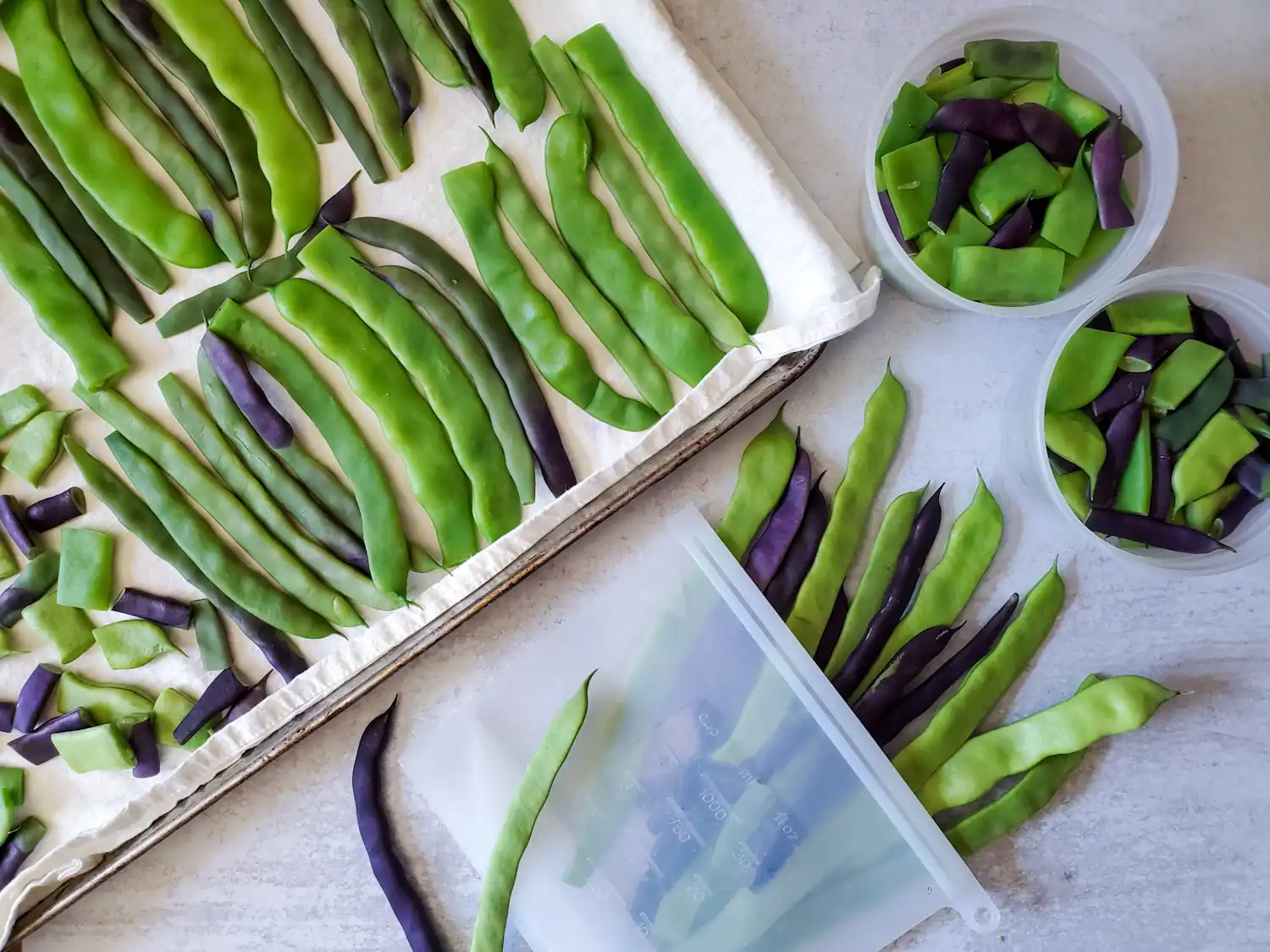
- Flash Freeze for Best Results: Spread the thoroughly dried beans in a single layer on a baking sheet. Place the baking sheet in the freezer for 1-2 hours, or until the beans are frozen solid. This prevents them from clumping together in the final storage bag, allowing you to easily grab just the amount you need later.
- Pack for Long-Term Storage: Once flash-frozen, transfer the solid beans into freezer-safe bags or rigid containers. Remove as much air as possible – a vacuum sealer is ideal, but you can also use a straw to suck air out of a Ziploc bag before sealing. Less air means less risk of freezer burn.
- Label and Date: Clearly label each bag or container with the contents ("Blanched Green Beans") and the date.
Method 2: Freezing Green Beans Without Blanching (Raw)
This method is quick and straightforward, perfect for short-term use.
- Prepare Your Beans: Wash, trim, and cut your green beans as desired.
- Dry Thoroughly: This is especially critical for raw beans to prevent ice buildup. Pat them completely dry with towels or use a salad spinner.
- Flash Freeze: For better texture and to prevent a solid block of beans, spread the dried raw beans in a single layer on a baking sheet and flash freeze them for 1-2 hours until solid.
- Pack for Freezer: Transfer the flash-frozen raw beans into freezer-safe bags or containers. Again, remove as much air as possible to minimize quality degradation.
- Label and Date: Label clearly with "Raw Green Beans" and the date. It's also a good idea to add a note like "Use within 2-3 months" to remind yourself of their optimal quality window.
Maximizing Storage & Enjoying Your Frozen Green Beans
Smart Packaging for Longevity
Regardless of your chosen method, proper packaging is paramount for preventing freezer burn and maintaining quality. Air is the enemy!
- Freezer Bags: Heavy-duty freezer bags are excellent. Squeeze out as much air as possible before sealing. If you don't have a vacuum sealer, try submerging a partially sealed bag in a bowl of water (keeping the open seal above the waterline) to force the air out before fully sealing.
- Rigid Containers: For less delicate items or if you prefer a stackable solution, use freezer-safe plastic containers or glass jars, ensuring there's minimal headspace.
- Vacuum Sealing: If you're serious about food preservation, a vacuum sealer is a game-changer. It removes virtually all air, extending the freezer life of blanched beans significantly.
Shelf Life Expectations
- Blanched Green Beans: Will retain excellent quality for up to 12 months in a properly functioning freezer.
- Raw Green Beans: Best used within 2-3 months for optimal taste and texture. While still safe to eat beyond this, you may notice a decline in quality. They are often ideal for adding directly to simmering soups or stews later on.
Cooking Tips for Frozen Green Beans
The beauty of frozen green beans is their convenience. Most of the time, there’s no need to thaw them first!
- For Soups and Stews: Simply toss them directly into your simmering pot. They'll cook beautifully and absorb the flavors of your dish. This is where those raw frozen beans truly shine.
- Steaming or Boiling: Add frozen beans directly to boiling water or a steamer basket. Cook for 5-8 minutes until tender-crisp. Taste and adjust cooking time as needed, as they may cook faster than fresh beans.
- Sautéing or Roasting: You can sauté or roast frozen green beans directly. For best results with roasting, spread them in a single layer on a baking sheet to ensure even cooking and prevent them from steaming. Toss with olive oil, salt, pepper, and your favorite seasonings.
- Prevent Overcooking: Remember that frozen vegetables often cook more quickly than fresh ones, so keep a close eye on them to avoid mushiness.
Conclusion
Whether you opt to blanch your green beans for extended freshness or freeze them raw for quick convenience, preserving your bounty is a rewarding endeavor. Both methods are effective, and your choice ultimately depends on how you plan to use them and your personal priorities regarding time versus quality. By following these simple steps, you can enjoy the crisp texture and garden-fresh flavor of green beans long after the growing season has passed. So go ahead, fill your freezer, and savor the taste of summer all year round!
